
e-Pho
A new generation of electrical energy
ᐯ
A Growing Crisis
Billions of connected devices run on disposable power.
Every year, almost 2 million tonnes of batteries are thrown away, consuming rare materials, leaking toxins, and leaving a trail of waste behind. The world is demanding better ways to power connection.
A Growing Solution
Looking to Light: From Photosynthesis into Living Energy
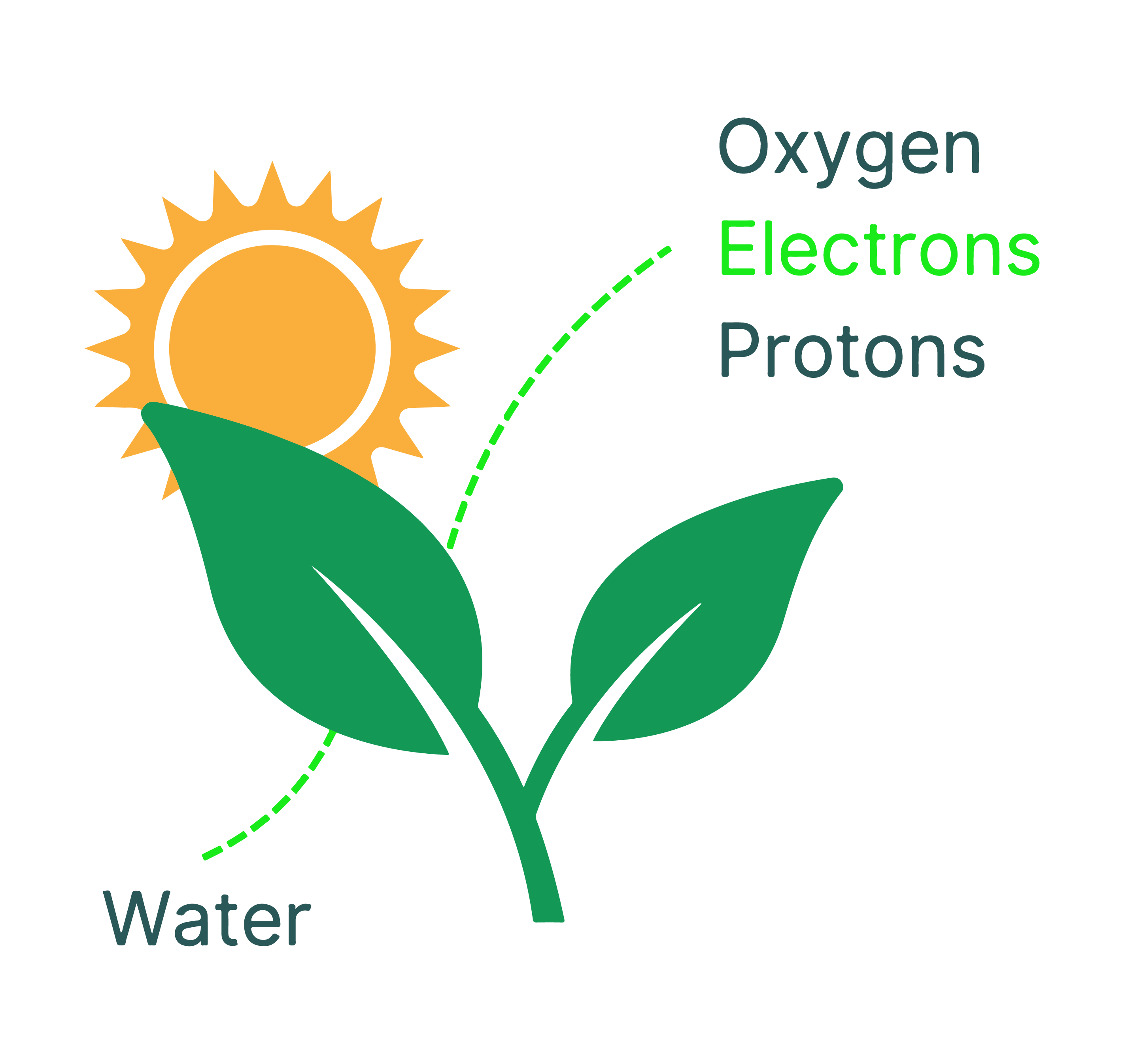
e-Pho translates the logic of photosynthesis into electrical form. It couples photosynthetic micro-organisms with engineered materials to extract electrons from water under light, generating a continuous electrical current.
The result is a technology that cultivates energy, shaped by biological intelligence.
ᐯ
Living Energy
Continuously generates electricity day and night, storing energy within living cells.
Non-Toxic
Built entirely from safe, non-toxic materials, unlike disposable batteries, making it harmless to people and the environment.
Flexible & Scalable
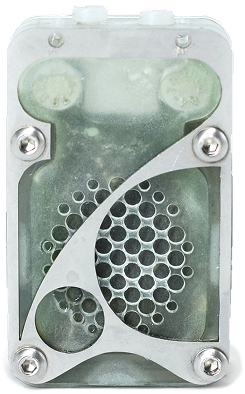
Modular system adaptable to IoT sensors, research tools, and off-grid electronics.
Self-Sustaining
Powers a commercial microprocessor for over a year, with potential for 5–10 years of uninterrupted operation.
How It Works
Inside each e-Pho cell, photosynthetic micro-organisms interact with conductive materials to exchange electrons produced during photosynthesis. These electrons create a steady electrical current, a process sustained by light and the biological metabolism of the living system.
BREATH
Leading Team




Photosynthetic power is still a frontier. Alongside its development, we create open learning experiences to share this new form of energy. Our educational programme brings bioelectric systems into UK classrooms, while our workshops invite communities and practitioners to experiment with living technologies first-hand.
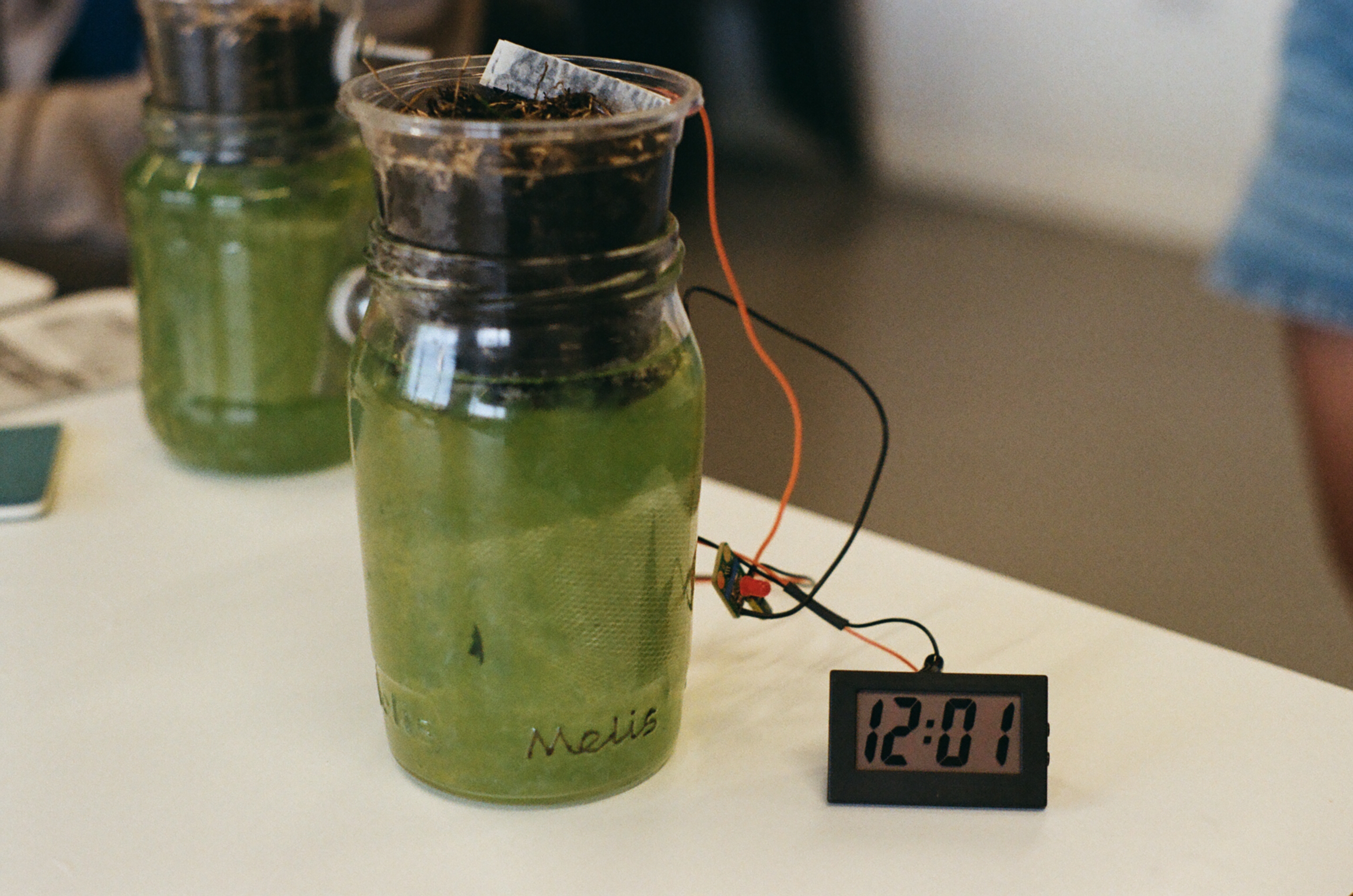


The World's First Photosynthetic Electronic Device